
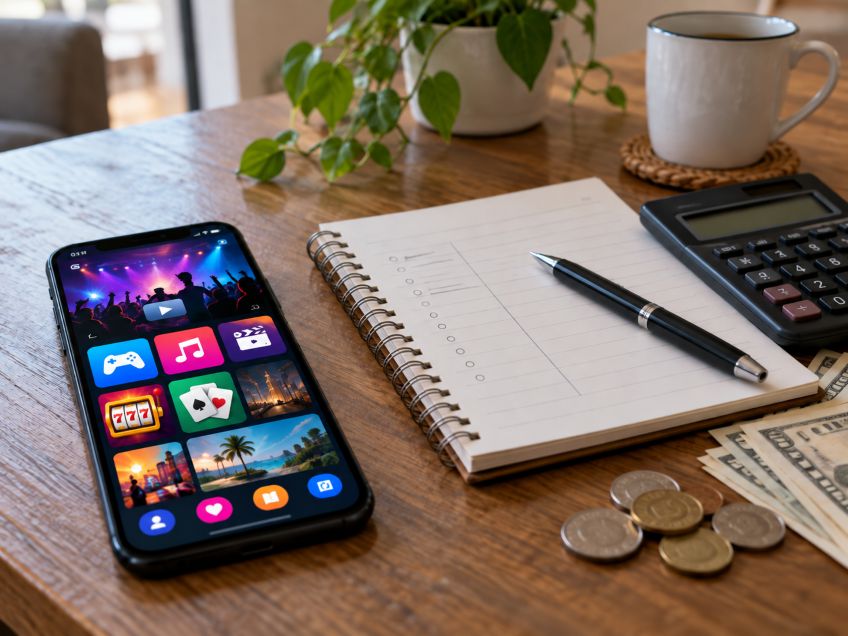
Online gambling now reaches a large adult audience through the same phones, apps, streaming services, and digital interfaces used for everyday entertainment. The UK Gambling Commission reported in its 2025 Gambling Survey for Great Britain that 59% of adults had participated in some form of gambling during the previous 12 months, illustrating how wagering activities have become part of a much broader digital leisure environment.
This shift can also be seen in the language people use to find and categorize wagering content online. The Malay phrase game judi, meaning gambling games, is one example of how these activities are grouped within digital platforms and online searches. Although modern gambling interfaces may borrow visual and interactive ideas from video games, streaming, and social media, the financial stake involved creates an important distinction from conventional entertainment.
Five developments help explain why gambling products increasingly resemble other forms of digital entertainment and why the boundaries can sometimes appear less obvious to users.
1. Mobile Accessibility Has Changed When People Can Participate
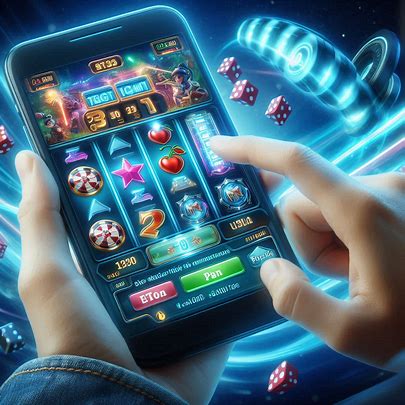
Smartphones have made many forms of digital entertainment portable, and gambling has followed the same pattern. Rather than requiring a visit to a physical casino, betting shop, or gaming venue, an adult user can potentially access an online platform from a phone wherever local law and platform rules permit.
The World Health Organization notes that increasing smartphone use is one factor expected to contribute to the continued expansion of gambling worldwide. Mobile access reduces the physical barriers that once separated gambling from everyday activities, placing it alongside messaging, streaming, shopping, and mobile gaming on the same device.
This accessibility can increase convenience, but it can also make spending easier to overlook. Unlike a conventional mobile game with no money at stake, online wagering games involve the possibility of losing deposited funds.
2. Interactive Mechanics Make Digital Experiences More Engaging
Modern gambling interfaces increasingly use animation, responsive controls, sound effects, progress indicators, statistics, and other design elements familiar from mainstream apps and video games. These features can make a gambling session feel more interactive than older formats built around simple wagers and static results.
The similarity is mainly about presentation. The underlying activity remains different because gambling requires something of financial value to be risked on an uncertain outcome. A video game may involve competition, skill development, exploration, or storytelling without requiring repeated monetary stakes.
This distinction becomes particularly important when gambling products are presented with entertainment-oriented graphics. An engaging interface does not change the financial structure underneath it.
3. Live-Streamed Casino Experiences Blend Gaming and Broadcasting
Streaming culture has transformed entertainment by allowing audiences to watch events unfold in real time. Gambling platforms have adopted similar technology through live casino formats where video streams show dealers, tables, wheels, or other activities while users interact through digital controls.
The result combines elements of television, livestreaming, and gambling within one interface. Instead of viewing a purely computerized screen, users may see a human presenter and real-time activity, creating a more participatory atmosphere.
Streaming platforms also influence how gambling-related content is encountered outside dedicated wagering sites. The UK Gambling Commission found that live-streaming and video-sharing services were among the digital channels through which young people reported seeing gambling advertising in 2025. That overlap highlights why age controls and careful marketing standards remain important when gambling and mainstream digital media occupy similar spaces.
4. Social Features Connect Gambling With Online Communities
Digital entertainment is increasingly social. Users comment on streams, share content, follow creators, compare experiences, and participate in online communities. Gambling-related media has developed within this environment as well.
Some platforms and surrounding communities incorporate chat functions, activity feeds, livestream discussions, tournaments, or other interactive elements. These features can make participation feel less isolated and more connected to broader online entertainment culture.
However, social visibility can also expose people to gambling content outside environments designed specifically for adults. According to the UK Gambling Commission, 16% of surveyed young people in 2025 said they followed gambling-related companies or content through at least one social-media or streaming platform.
This is one reason responsible advertising standards matter. Gambling marketing should remain clearly distinguishable from general entertainment and should not be designed to appeal to children or other vulnerable audiences.
5. Short-Duration Formats Fit Faster Digital Habits
Many digital products are designed around brief interactions. People watch short videos, check notifications, complete quick mobile-game rounds, and switch between apps within minutes. Some gambling formats similarly offer rapid rounds or frequent opportunities to participate.
Short sessions can fit easily into mobile routines, but the speed of an activity does not make its financial consequences smaller. Repeated wagers can accumulate quickly even when individual rounds last only seconds or minutes.
This characteristic separates gambling from many casual entertainment activities. Time spent watching a short video generally does not create the same direct financial exposure as repeatedly placing monetary stakes.
Entertainment Design Does Not Remove Financial Risk
The convergence of mobile technology, interactive design, livestreaming, social media, and shorter formats helps explain why gambling increasingly appears alongside other forms of digital entertainment. Yet visual similarities should not obscure the central difference: gambling involves money or something else of value being placed at risk.
The World Health Organization warns that gambling-related harm can include financial distress, relationship problems, mental-health consequences, and diversion of household money from essential expenses. These risks make responsible online gambling practices, clear information, spending limits, and access restrictions important even when platforms are designed primarily around entertainment.
Advertising requires similar care. The UK Gambling Commission states that gambling marketing should be socially responsible and should not exploit children or vulnerable people. Its 2025 research also found substantial exposure to gambling advertising through apps, social media, and streaming services among young respondents.
Interactive betting products may continue adopting ideas from gaming, streaming, and social platforms, but they should still be understood as age-restricted financial-risk activities rather than ordinary video games. Adults who choose to gamble should set limits, avoid using money needed for essential expenses, and stop if gambling begins causing financial or personal harm.
As digital entertainment continues evolving, recognizing that distinction will become increasingly important. Gambling games may share the appearance, speed, and social qualities of mainstream entertainment, but the possibility of losing real money remains a defining feature that users, platforms, regulators, and advertisers need to keep visible.

 Check these out:
 For many adults, online gambling is a fairly common type of electronic entertainment. In addition to casino games, players can also wager on sports betting events, which can enhance their leisure time. But it’s all about maintaining a healthy balance to have a positive experience. Everyone is encouraged to participate in gambling responsibly when it is not viewed as a means to make money, thereby reducing stress factors.


 Virtual reality casinos, such as the Oculus Rift or HTC Vive, bring users to a land-based casino equivalent experience. Playing in a virtual casino can be as close to a real casino as possible. Players can roam the hallways, engage other players, and even sit at tables like poker and roulette, without ever touching a screen.
 Budget
 This classic game is simple to master and offers several betting opportunities. Whether you wager on red, black, even, odd, or particular numbers, watching the wheel spin and ball land is thrilling.
 Casinos are known for their abundant buffets, but these are just the beginning. Many casinos are proud of their fine-dining restaurants, which feature famous chefs and exquisite food. With many delicious alternatives, there’s something for everyone.
 Your poker night’s atmosphere determines the overall vibe of the evening. Select a roomy area in your house that will work well for hosting your visitors. Ensure there are enough chairs and a sturdy table for everyone. Reduce the brightness, turn on some background music, and think about beautifying the area.














 Many players walk into baccarat searching for a system that can outsmart the game. They ride streaks, increase bets after losses, or lean on complicated chart rituals. You can find these systems posted everywhere on any baccarat website (บาคาร่าเว็บตรง). They look active and thrilling, but they also invite heavy bet swings that can wipe out a bankroll faster than expected. If protecting your money matters more than constant adrenaline, flat betting especially flat
 Most people think slot machines are all about luck. You press a button, spin the reels, and hope for the best. But anyone who’s spent serious time playing 55five slot knows there’s more to it. Slot play is as much mental as it is mechanical. When emotions take over, especially frustration, impatience, or desperation, players tilt. And tilt is the fastest way to make bad decisions, lose focus, and drain a bankroll.
 Players spend over 50 million hours weekly on online casino platforms worldwide. This surge shows how digital gambling has woven itself into daily leisure, far beyond simple bets. Non-AAMS casinos stand out here. They skip Italy’s strict AAMS rules, licensed instead by spots like Malta or Curacao. This freedom lets them craft experiences that feel alive, like a night out rather than a quick spin.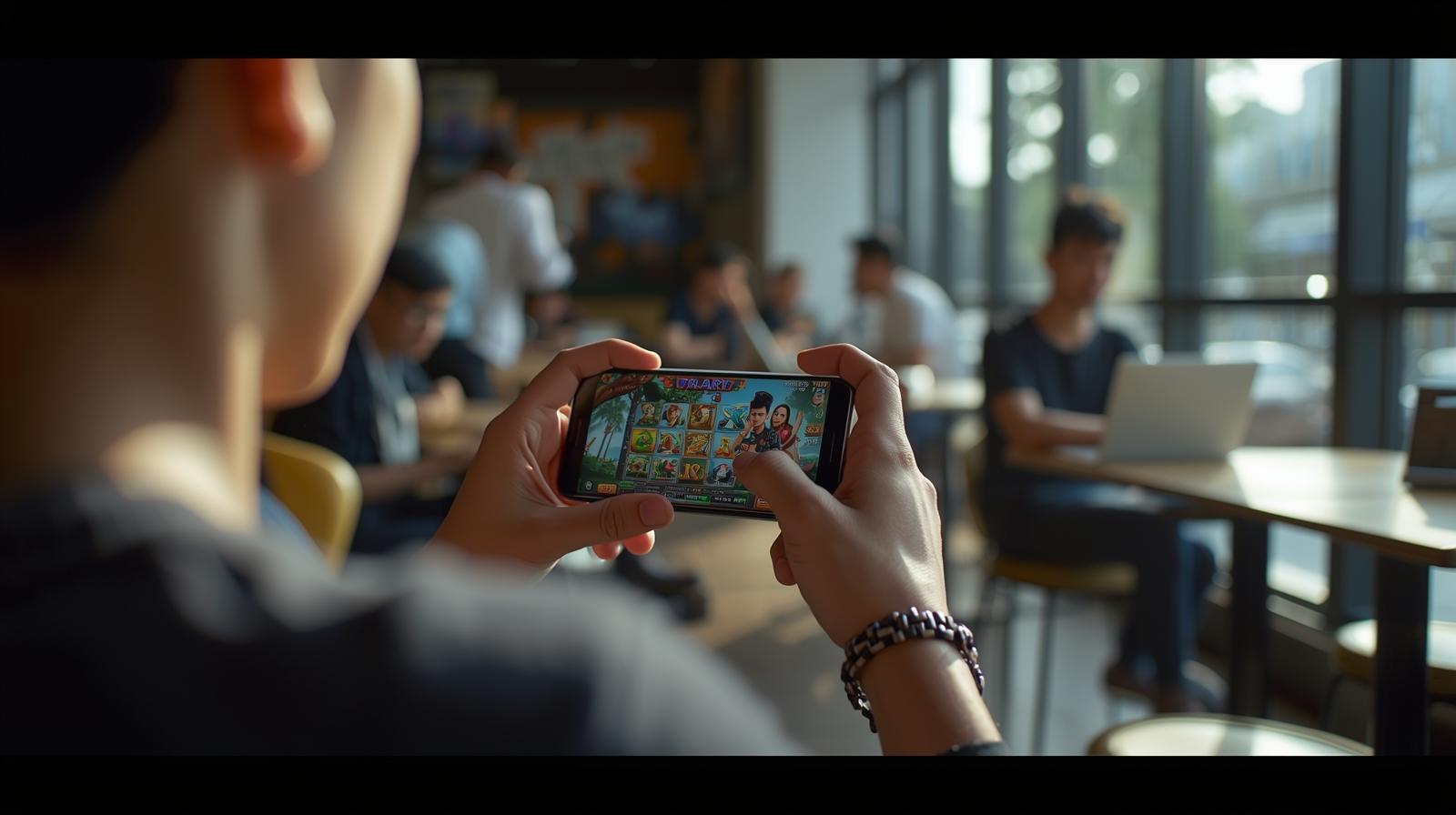
 Casinos offer no-deposit bonuses to attract new players. It’s a risk-free way to try slots, table games, and live dealer experiences. The best part? You can win real money without spending a dime, provided you meet the wagering requirements.