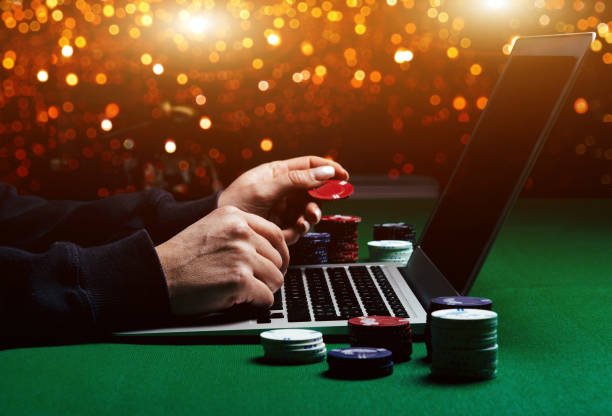
Entertainment offers a welcome break from everyday responsibilities. People may watch sports, play video games, attend live performances, or enjoy social activities with friends. Gambling is another form of entertainment for some adults, but it carries financial risks that make balance and personal boundaries especially important.
Why Games Feel Exciting
Games often combine uncertainty, anticipation, and immediate feedback. Waiting for an outcome can create excitement, while occasional rewards may encourage people to continue playing. Digital platforms can intensify these feelings through sound effects, animations, notifications, and reward displays.
Enjoyment does not always mean an activity is harmless. People may spend more time or money than intended when an experience encourages repeated participation. Recognizing these design features can help users make deliberate choices.
Entertainment Versus Income
Gambling outcomes are uncertain, and no betting strategy can guarantee regular earnings. A winning session does not prove that a person has found a reliable source of income, just as a losing session does not guarantee that the next attempt will recover the money.
For this reason, gambling should never replace employment, savings, or a financial plan. Essential expenses and emergency funds should remain separate from any entertainment budget.
Setting Personal Boundaries
Before starting an activity involving money, adults who legally participate can establish a spending limit and a time limit. They can also decide in advance when to stop, regardless of whether they are ahead or behind. Borrowing money, hiding transactions, and chasing losses are warning signs that require attention.
Choosing alternatives can make leisure time more varied. Free games, exercise, creative projects, family activities, and community events can provide enjoyment without wagering money.
Protecting Well-Being
If gambling begins affecting relationships, sleep, work, or household finances, taking a break and seeking support may help. Talking with someone trustworthy can reduce secrecy and make it easier to address the problem early.
Conclusion
Entertainment should contribute positively to everyday life rather than create ongoing stress. Understanding how excitement influences decisions, separating leisure from financial goals, and respecting personal limits can help people make healthier choices. Enjoyment does not need to involve gambling, and financial security should always take priority over uncertain rewards.
 Check these out:
 For many adults, online gambling is a fairly common type of electronic entertainment. In addition to casino games, players can also wager on sports betting events, which can enhance their leisure time. But it’s all about maintaining a healthy balance to have a positive experience. Everyone is encouraged to participate in gambling responsibly when it is not viewed as a means to make money, thereby reducing stress factors.


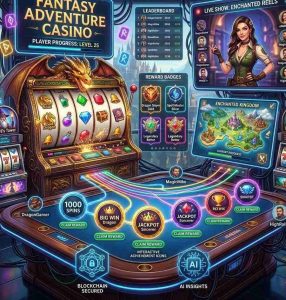

 Virtual reality casinos, such as the Oculus Rift or HTC Vive, bring users to a land-based casino equivalent experience. Playing in a virtual casino can be as close to a real casino as possible. Players can roam the hallways, engage other players, and even sit at tables like poker and roulette, without ever touching a screen.
 Budget
 This classic game is simple to master and offers several betting opportunities. Whether you wager on red, black, even, odd, or particular numbers, watching the wheel spin and ball land is thrilling.
 Casinos are known for their abundant buffets, but these are just the beginning. Many casinos are proud of their fine-dining restaurants, which feature famous chefs and exquisite food. With many delicious alternatives, there’s something for everyone.
 Your poker night’s atmosphere determines the overall vibe of the evening. Select a roomy area in your house that will work well for hosting your visitors. Ensure there are enough chairs and a sturdy table for everyone. Reduce the brightness, turn on some background music, and think about beautifying the area.