
It is not only about money, gambling is also closely related to human psychology and entertainment. Among the major reasons for its popularity is dopamine, the feel-good chemical in the brain. Each victory, each close-call, or expectation causes certain emotions which keep the players on their feet.
The Rewarding System of Dopamine Rush
Dopamine discharge occurs in gambling when the players win as well as when they anticipate the outcome. The effectiveness of results is heightened due to the unpredictability of results. This brings a sense of excitement which makes players repeat.
The Reason Near-Misses Are Like Wins
Near-misses are those that are too near to win. These instances continue to cause dopamine reactions in the brain. Players would not be discouraged and they would want to keep playing as they feel they are so close. This is a psychological gimmick that is common in game design.
The Value of Entertainment Behind Financial Profit
A lot of gamers do not gamble to earn money, they do it to have fun. The zip, the pictures and the experiential effect are enjoyable. This equates gambling to other digital entertainment. The emotional aspect tends to be more important than the financial results.
Balancing Pleasure and Introspection
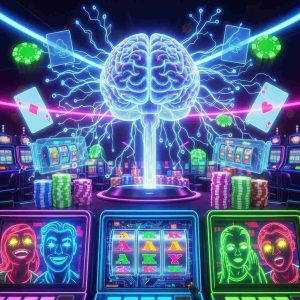
Awareness of the psychological impacts assists the players to be in control. The identification of the dopamine-induced behavior would save overindulgence of gambling.
End Notes
Gambling psychology is the reason why it is such an entertainment source. Players are kept entertained with dopamine-generated rewards and near-miss experiences. Although it builds excitement, it also makes one realize the value of self-awareness. Gambling can be a pleasant activity with neither consequences nor negative effects.